

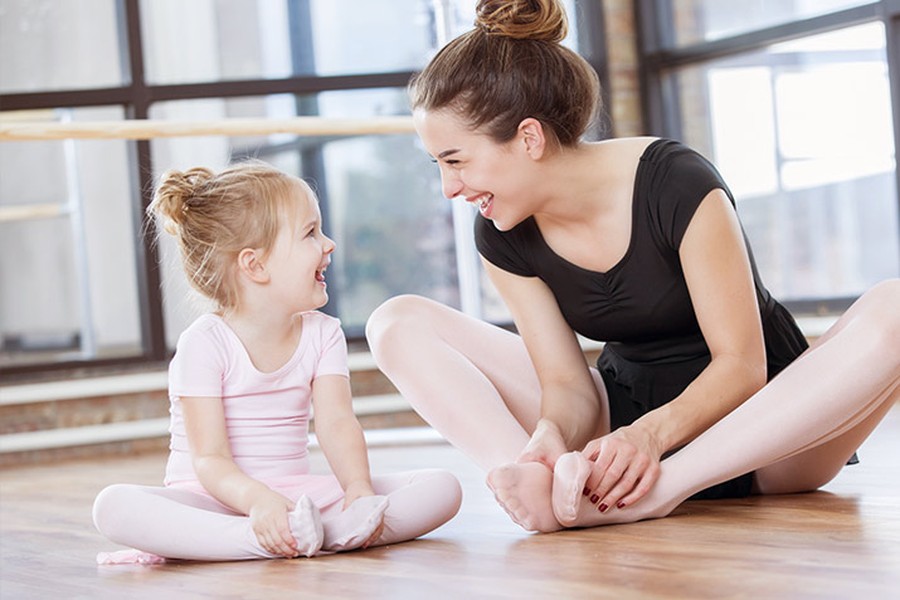
For generations young learners were introduced to classical styles like ballet. These graceful art forms shaped discipline and elegance. But the world of dance is changing rapidly. New influences are drawing young dancers to different paths. Today more and more children are choosing a freer style. This shift reflects new attitudes towards art and creativity. It also reflects the growing need for self-expression in younger minds.
The Changing Landscape of Dance Education
Traditional dance once stood as the main entry into movement. Ballet was known for its strict rules and precision. Children spent years mastering posture and controlled steps. Many admired the beauty of the technique. Yet this strictness often left less room for freedom. Young dancers began to seek ways to feel lighter. They wanted space to move without rigid limits. The modern world values creativity and adaptability. Dance education has followed that same course of change.
Why Contemporary Attracts Young Learners
Contemporary dance offers something fresh and flexible. It allows young dancers to explore emotions. The body becomes a tool for storytelling and personal release. Unlike ballet there are no rigid patterns to repeat endlessly. Children can bend and fall and roll on the floor. The style rewards raw emotion and real energy. This makes the practice both exciting and liberating. Many students feel a stronger connection with their movements. They sense the stage as an open canvas.
Comparing Contemporary and Classical Training
Classical forms are admired for discipline and elegance. Ballet demands strict lines and flawless rhythm. The path is long and full of hard repetition. For many the pressure can feel overwhelming at a young age. Contemporary on the other hand offers a more open journey. It balances technique with personal interpretation. A leap or turn can reflect feeling rather than rule. This makes practice feel less like duty and more like discovery. Children appreciate this balance of structure and freedom.
The Influence of Culture and Media
Media has played a key role in shaping dance trends. Popular shows highlight fresh performances with modern movements. Many young viewers find inspiration in those dynamic displays. Cultural change also drives the shift. Families value art that reflects individuality. Communities celebrate performances that feel raw and relatable. Classical forms are still respected but contemporary speaks louder to this generation. Music styles from across the world also blend with modern moves. The energy of this mix makes it appealing.
Why Contemporary Dance for Kids Is Rising
Schools and studios notice the growing demand for new styles. Parents look for classes that feel engaging. Children stay motivated when lessons feel creative and fun. Contemporary training allows the body to grow naturally. It supports flexibility and strength while reducing pressure of perfection. Teachers guide but do not control every step. This freedom creates confidence in young dancers. Contemporary dance for kids has become a symbol of creative growth. It shows how young learners want more than tradition.
Conclusion
The world of dance is evolving with every generation. Classical styles will always hold a place of honour. They teach discipline and timeless beauty. But modern learners search for movement that reflects emotion and freedom. Contemporary gives them that gift with open arms. It encourages both skill and self-expression at the same time. That is why more children are stepping into this style today. The future of dance belongs to creativity and change. And young dancers are already leading that future forward.


